
2025 Executive Director Reflections - Holly Donaldson
CAPHIA’s progress this year reflects the strength of our community and our shared commitment to collaboration, innovation and equity. Together, we have strengthened academic public health through rigorous research, high-quality education and principled advocacy. As CAPHIA has matured into an independent, strategically focused organisation, it is your leadership, creativity and generosity that continue to keep communities safe and well—by holding the line today and developing the public health leaders of tomorrow.
Advancing the Competency Renewal Project
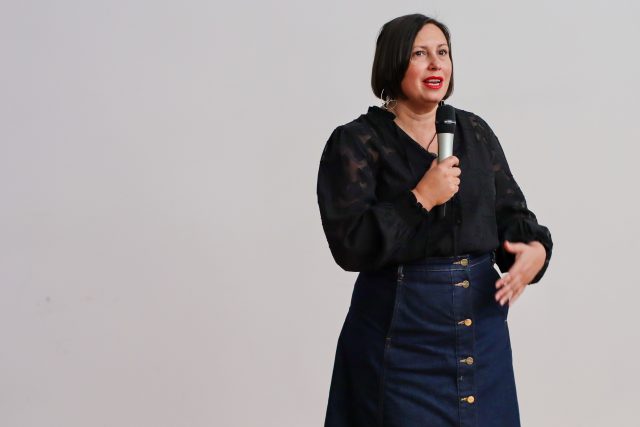
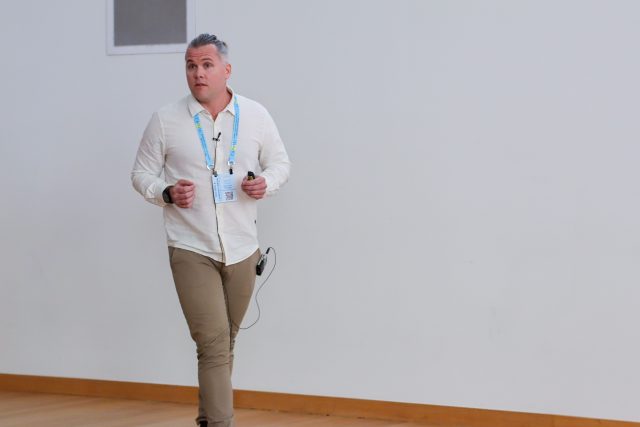
The Competency Renewal Project – led by the Steering Committee chaired by Professor Melissa Graham, Dr Nathan Dawes and Indigenous Lead Associate Professor Summer May Finlay – achieved major milestones in 2025, including:
- completion of more than 60 expert interviews across four countries
- ethics secured from 14 institutions, including Aboriginal Health & Medical Research Council of NSW approval
- completed a comprehensive scoping review of public health competencies
- development of a draft competencies list informed by global frameworks
- initiation of a modified Delphi process to refine and validate the competencies
- presenting a draft conceptual framework to the CAPHIA community at the 2025 Forum
- preparation for a 2026 Q1 launch
We extend our sincere thanks to the Competency Renewal Steering Committee, and to the many academics and practitioners who contributed to the first round of the Delphi process. The current phase of work is focused on reducing duplication across competencies, while ensuring that no elements of importance to Indigenous peoples or to any country are lost. This refinement will inform a more streamlined competency set for Round 2 of the Delphi, strengthening clarity while preserving cultural and contextual integrity.
2025 Teaching and Learning Forum
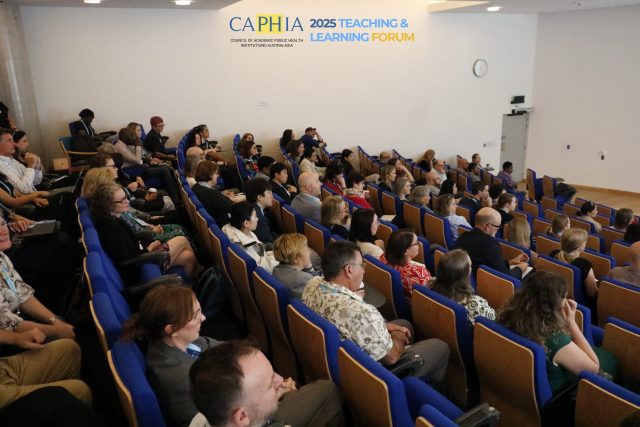
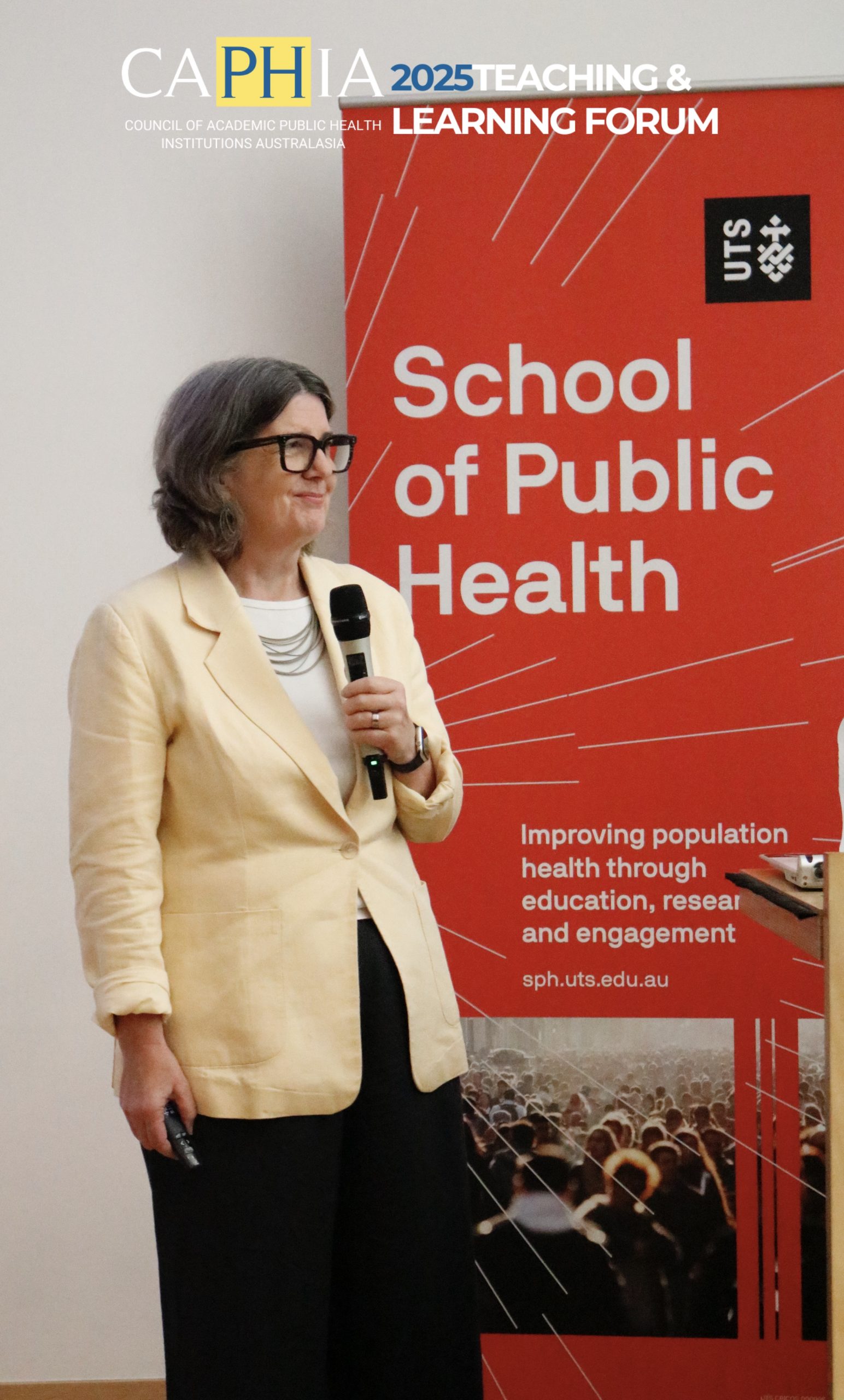
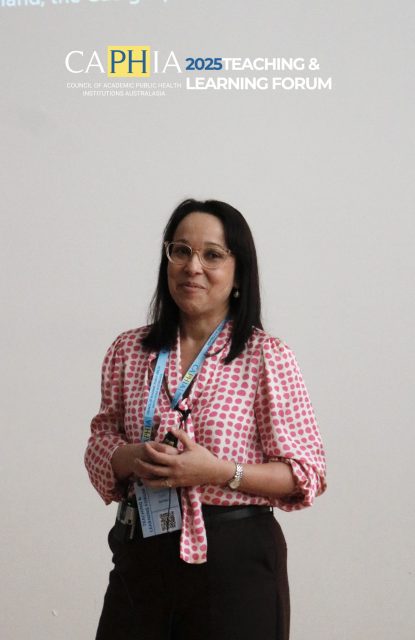
Always a standout moment of the year, this year’s Forum brought together 165 delegates from across Australasia for an energising and deeply meaningful gathering. In the midst of the challenges surrounding UTS, the Forum demonstrated the strength, solidarity and resilience of our community, with members showing up with unwavering commitment to public health education.
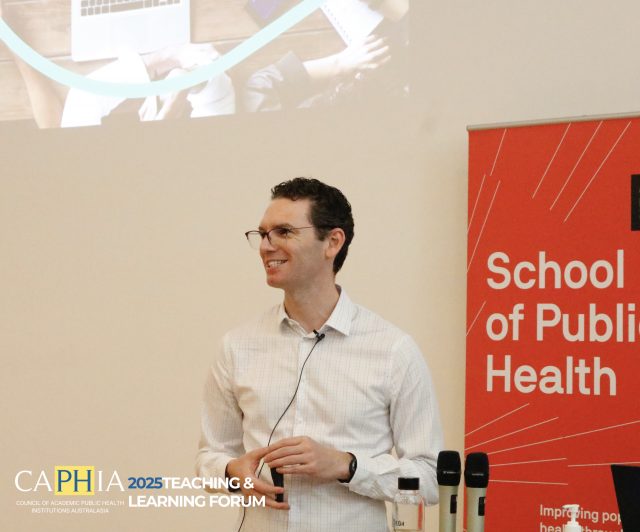
The program delivered a compelling mix of thought leadership and practical insight. Dr Marianne Gale opened with a powerful address on leadership, innovation and collaboration, setting an ambitious tone for the days ahead.
Professor Rebecca Ivers delivered a timely and incisive reflection on the rising threats facing public health and the collective action required to address them. With the Senate approving the establishment of the Australian Centre for Disease Control just one day earlier, the keynote by Jacob Madden offered an invaluable insider’s perspective on the CDC’s development, future remit and his own pathway into national leadership.
The Forum closed with an expert panel exploring the human dimensions at the heart of today’s most complex public health challenges, including pandemics, the climate crisis and trans rights, highlighting the essential role of empathy, inclusion and community partnership in the work ahead.

Heads of Schools respond to Public Health under threat
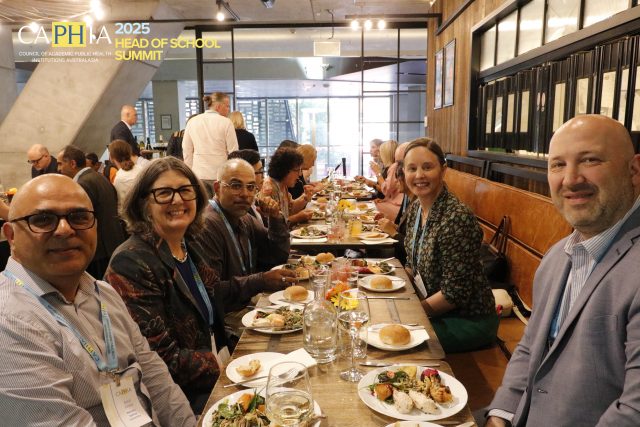
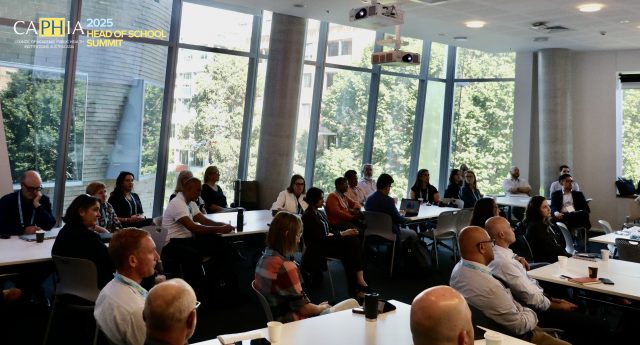
Nearly 60 Deans, Heads of Schools and senior public health leaders gathered on Gadigal land at the University of Technology Sydney to examine the theme Public Health Under Threat and consider how universities across Australia, Aotearoa New Zealand and the Pacific can respond.
Professor Camille Raynes-Greenow opened with a compelling call to better engage diverse communities and adapt public health curricula to a rapidly shifting political and social landscape. Professor Scott Avery delivered an inspiring keynote on Indigenous knowledges in systemic change, urging the sector to “step in, not step out.”
Associate Professor Alexandra Jones challenged participants to embrace social media, forge non-traditional partnerships and recognise the growing influence of digital voices. Associate Professor Bevan Erueti shared Massey University – Te Kunenga ki Pūrehuroa’s approach to embedding essential Te Tiriti capabilities. We also celebrated 35 years of the New South Wales Public Health Officer Programs with Ashleigh Armanasco showcasing the impact on leadership capability development.
A dedicated workshop led by Professor Madeleine Skellern, Dr Georgia Behrens (Australian Department of Health), Associate Professor Rebecca Patrick, Dr Aditya Vyas and I facilitated exploration of the role of universities and CAPHIA in preparing a climate-ready public health workforce.
Together, this group demonstrated the leadership and collective resolve required to advance best-practice public health education, prepare a future-ready workforce, and partner effectively with government and communities to improve health at scale.

Public Health Hackathon 2025
The second CAPHIA Public Health Hackathon built on the success of pilot efforts and again illustrated the power of student innovation. Bringing together 85 participants from 17 CAPHIA member institutions, the 2025 Hackathon challenged students to apply design thinking to reducing vaping harms in young people. Thanks to the Cancer Institute NSW we were able to provide eight students with travel equity bursaries to participate in this unique event.
This year’s program deepened mentorship and collaboration between students, academics, community partners and public health practitioners, reinforcing CAPHIA’s commitment to building practical, creative skillsets in the future workforce. We look forward to the top five teams virtually pitching to the Department of Health, Disability and Ageing in early 2026 and supporting further development of the student-led solutions.

Supporting the Next Generation
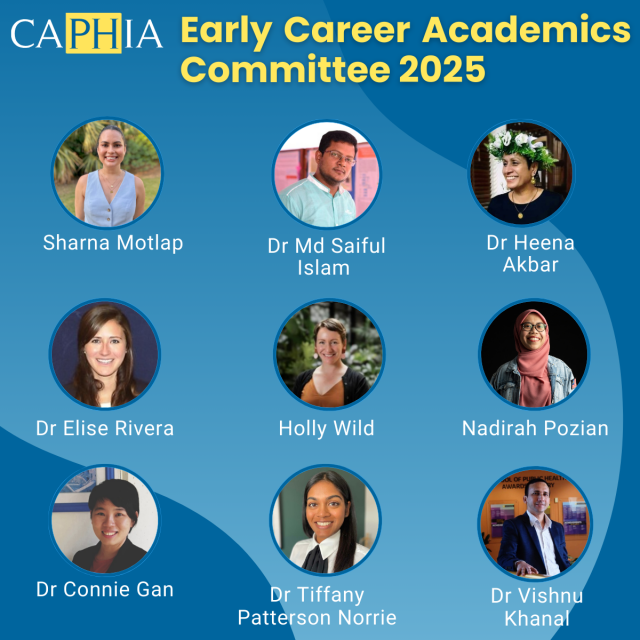
The Early Career Academics Committee continued to expand and energise its community. In 2025 the ECAC refreshed with new leadership by Sharna Motlap and Dr Md Saiful Islam. The committee engaged more than 170 ECAs and PhD students across four countries through monthly virtual events with guest including Associate Professor Kath Francis and Professor Craig Hassed.
The ECA blog covered topics including:
- how to teach climate and health;
- operationalising one health;
- tips on staying up to date with evolving policy;
- the impact of losing the public health workforce; and
- reflections as an Indigenous public health ECA.
Expanding our Networks and Partnerships
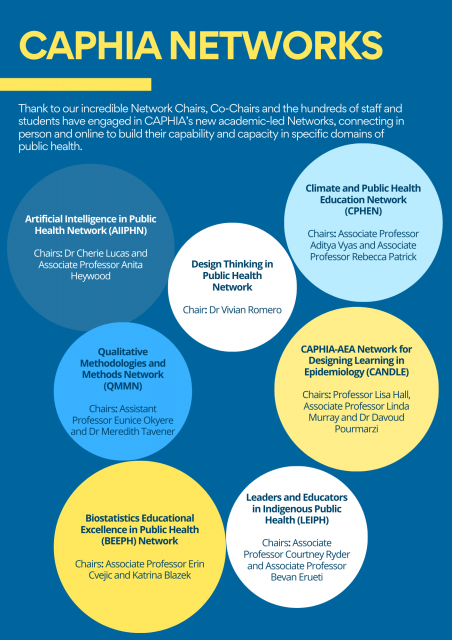
2025 saw significant growth in CAPHIA’s academic-led networks, with six active networks now connecting staff and students across the region. These networks support capability-building in:
- AI in public health
- biostatistics education
- qualitative methodologies
- climate and public health education
- epidemiology pedagogy
- design thinking
- leaders and educators in Indigenous public health.
Hundreds of participants engaged across these networks in 2025, strengthening community and accelerating shared learning across member institutions.
Our Global and regional partnerships have also strengthened through:
- involvement in GNAPH initiatives
- delivery of the Western Pacific Climate and Health Responder Course to 1,000 global participants and the Faculty Development course to embed in public health curricular
- joint webinars and sessions co-hosted with PHAA and other partners.
From Education to Action: Building Public Health Capability
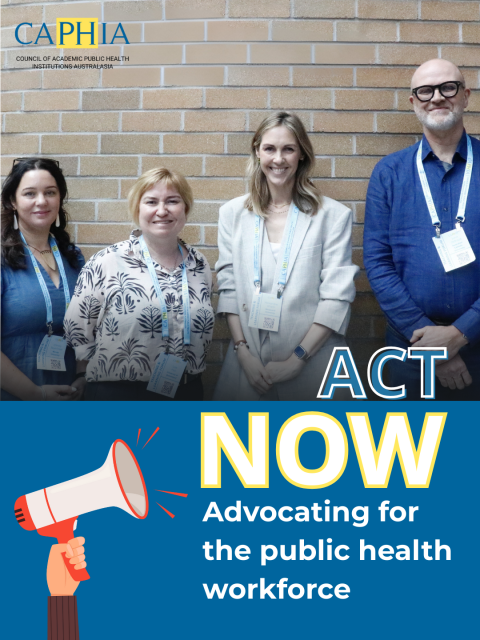

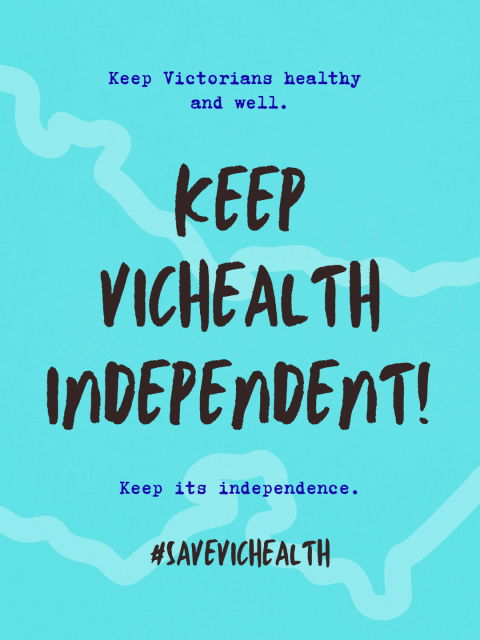
CAPHIA played a strong advocacy role in defending and advancing public health education and workforce capacity across Australasia. We led coordinated sector responses to threats facing public health programs, amplified evidence-based perspectives through position statements and media engagement, and mobilised academic, student and community voices to protect public health infrastructure. Through targeted submissions, public commentary and strategic partnerships, CAPHIA strengthened the visibility and influence of academic public health, reinforcing its essential role in equity, prevention and population health outcomes at scale.
Building on solid foundations
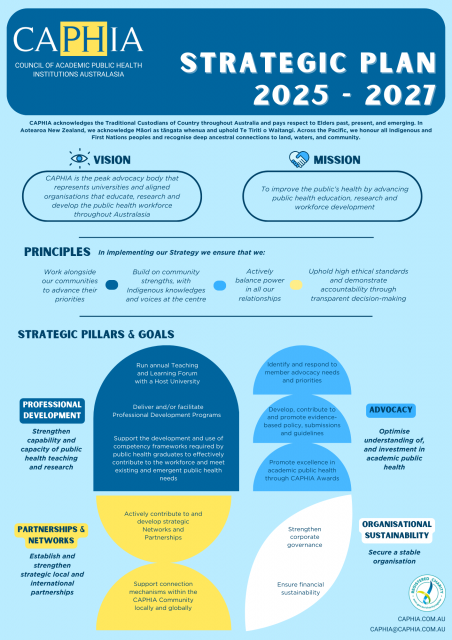
A huge thank you to the 2025 CAPHIA Board of Directors for their leadership, energy and commitment. Together we developed a new Strategic Plan and restructured the governance to align our resourcing and structure to achieve our goals.
We were pleased to welcome Associate Professor Bevan Erueti inaugural Māori Health Director, strengthening our commitment to equity, decolonisation and cultural safety, and ensuring Māori perspectives meaningfully shape public health education and research.
A special thanks to outgoing Chair Professor Rebecca Ivers who has been a shining light for public health education for the last three years. It has truly been a joy to work with her.
CAPHIA is in excellent hands with Associate Professor Julie Sanders elected as the new Chair, and Professor Chrissy Severinsen as the Deputy Chair.
Looking ahead to 2026
As we prepare for 2026, CAPHIA enters the year with strengthened governance, a stable financial base, a clearer strategic direction and a highly engaged membership community.
Our priorities for the year ahead include:
- launching the Third Edition CAPHIA Competencies
- deepening workforce and education advocacy
- expanding student innovation initiatives and paid opportunities
- continuing to scale our networks and partnerships
- delivering another impactful Forum and Summit
- growing member value, capability and connection
CAPHIA’s progress in 2025 reflects the collective effort of our leadership, member institutions, committees, networks, partners, students and early-career academics. Together, we have strengthened the foundations of academic public health in Australasia and positioned ourselves for an ambitious, collaborative and impactful 2026.