

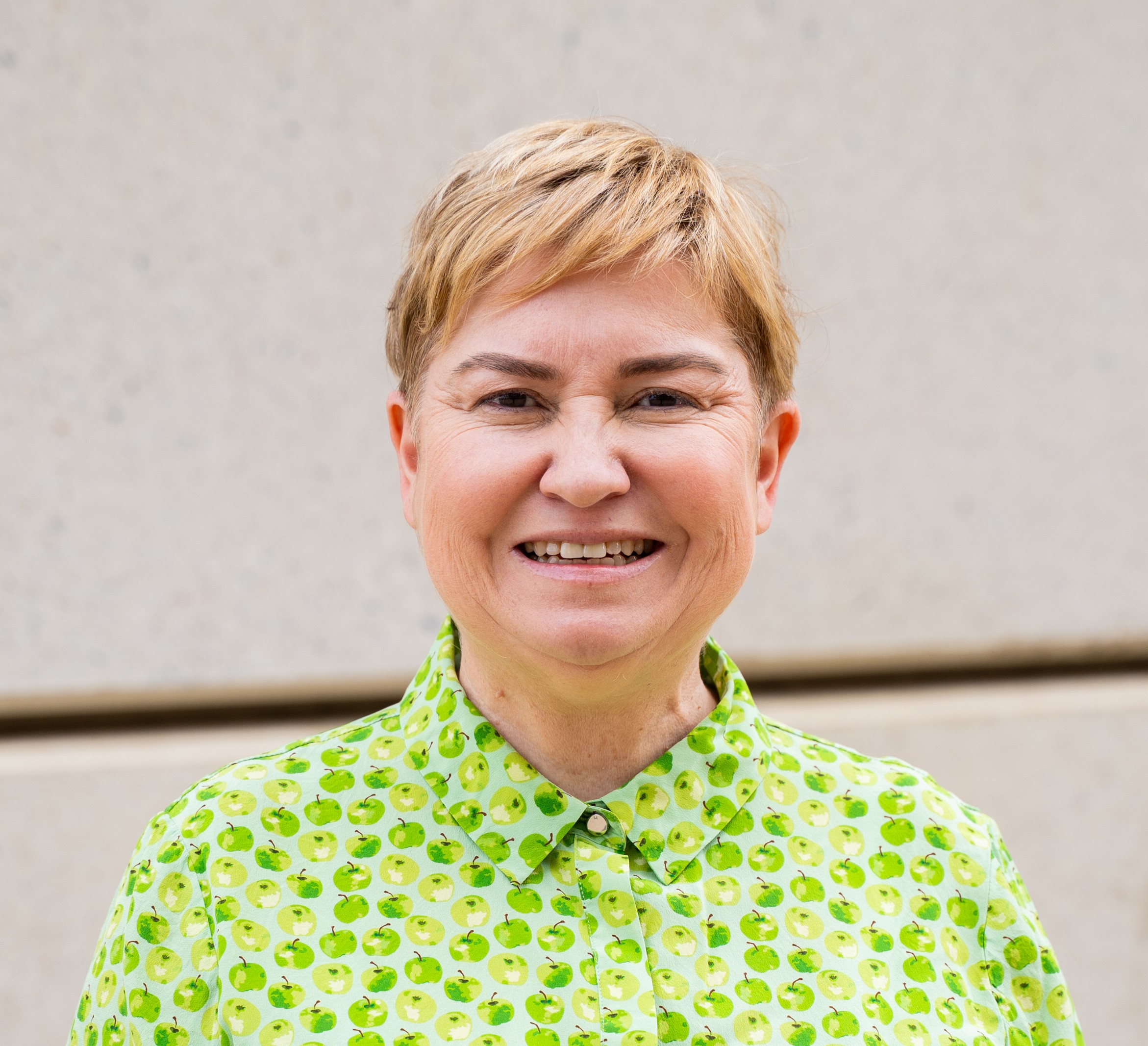
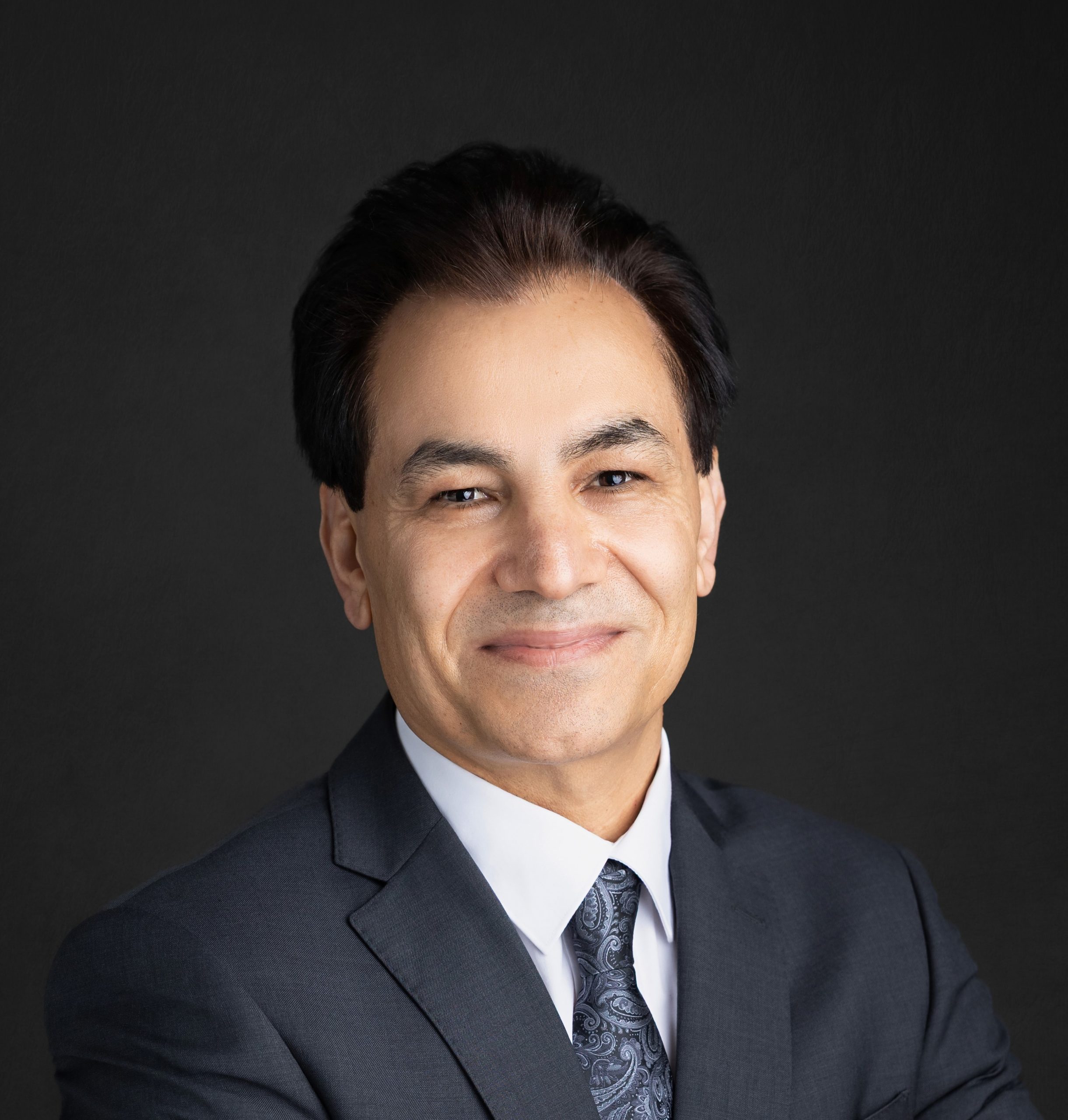



Professor Richard Edwards
Head of Public Health Discipline Group
Flinders University
Richard’s motivation for joining the Board
Since moving to Flinders University in January 2025 I have attended two CAPHIA Heads of School Summits and the 2025 Teaching and Learning Forum. I have been impressed by the vibrancy, commitment and strong public health and social justice values of CAPHIA and its members. I acknowledge CAPHIA’s pivotal support for the development of academic Public Health across Australia and New Zealand and for its robust championing of public health goals and the achievement of health equity, including its strong support for Indigenous leadership in public health. I would like to join the board to contribute my public health experience and expertise to CAPHIA’s efforts and its strategic plan in order to continue the strengthening of academic public health voices and impact across Australia and New Zealand.
Skills and experience Richard can contribute to the CAPHIA Board
I have a long-standing commitment to achieving population health goals and health equity. I trainied initially in medicine, epidemiology and public health and have over three decades experience working in academic public health in the UK, New Zealand, Australia, and sub-Saharan Africa. I was Head of the Department of Public Health, University of Otago Wellington for 8 years and have been Head of Public Health at College of Medicine and Public Health, Flinders University since January 2025. I have skills and experience in tobacco control and tobacco endgame research, particularly in policy-oriented research and advocacy. For example, I was a co-director of the ASPIRE Aotearoa Research Centre from its foundation in 2011 to 2025 and I am co-principal investigator on the New Zealand arm of the International Tobacco Control (ITC) Evaluation project. I was elected one of the initial Fellows of the Society for Research on Nicotine and Tobacco (SRNT) and I am immediate Past President of the Oceania branch of SRNT (2025-2026).
My experience and skills in public health advocacy include serving on key expert advisory groups, providing policy advice to Ministers and Officials, and through preparing numerous submissions, media communications and policy briefings. For example, I am a member of the Preventive Health South Australia Council. I was Chair of the Expert Advisory Board for the Public Health Communication Centre from 2021-25 and I am an editorial board member for the Public Health Communication Centre briefings (https://www.phcc.org.nz/). I have carried out public health teaching, curriculum design and course/programme leadership at undergraduate and postgraduate levels across several institutions. I was a member of the team [led by Amanda D’Souza and Caroline Shaw] awarded the CAPHIA 2020 Team Award for Excellence and Innovation in Public Health for work on redesigning public health teaching in the University of Otago medical degree.
Richard’s vision to enact the 2025-2027 CAPHIA Strategic Plan
I am particularly interested in contributing to supporting and developing the advocacy and policy side of CAPHIA’s work, including in at least three areas:
(i) CAPHIA’s advocacy for strengthening the public health workforce;
(ii) CAPHIA members’ advocacy in support of public health actions and strategies; and
(iii) training and support to strengthen knowledge and skills in advocacy and public health policy among CAPHIA members and the wider public health workforce.
Specific contributions might include: supporting and developing new CAPHIA advocacy campaigns; developing resources and events to support strengthening advocacy and policy analysis/development/evaluation skills among CAPHIA members; facilitating and supporting the development and dissemination of CAPHIA endorsed or CAPHIA member position statements/submissions on key public health issues; establishing a CAPHIA advocacy and policy network; contribution to the Advocacy ad Engagement Committee; development of teaching and training resources on public health advocacy.
Richard’s university profile
Professor Lisa Hall
Professor of Epidemiology
University of Queensland
Lisa’s motivation for joining the Board
I’m excited about the next few years for CAPHIA. We are at an important point in our trajectory as an organisation. Balancing our growing profile against emerging threats to public health education in Australia and globally means we will have to think carefully and creatively about our next steps. Maintaining focus on strong governance while building our capability and reach gives the Board an ambitious program of work ahead. I believe I have the right balance of positive attitude, skills and experience to help shape our future direction. CAPHIA matters to me because strong public health education is how we build the workforce our health systems and communities rely on, and our universities need a strong collective voice to make that case. Serving on the Board for the last two years, and co-chairing the Advocacy and Engagement Committee, has shown me how much we can achieve together. We have laid important foundations, and I would like to see that work through – turning our understanding of members’ needs into sustained, influential advocacy; and improving our organisational sustainability so we can continue to grow networks that connect educators across our member institutions. We have a great group of people across our Board, committees and networks, and I would love to continue in a leadership role that supports them.
Skills and experience Lia can contribute to the CAPHIA Board
Over the past 25 years I have built a career as a public health professional and academic, demonstrating leadership, communication and management skills. I lead by example, using innovative methods and supporting and mentoring others to maximise team wellbeing as well as outcomes.
Policy and practice: I have always worked at the interface between evidence, policy and practice. Before returning to academia, I was Principal Epidemiologist at Queensland Health. I was a technical expert for the Australian Commission on Safety and Quality in Health Care for 15 years sitting on strategic committees improving hospital infection surveillance and strategies nationally. More recently I led an Australian Government consultancy to co-design a monitoring and evaluation framework for the National Antimicrobial Resistance Strategy with over 100 stakeholders across five One Health sectors.
Collaboration and innovation: I enjoy bringing diverse people together to solve complex problems, often employing design thinking principles. I led UQ’s hosting of the 2024 CAPHIA Teaching and Learning Forum, including designing the inaugural student hackathon. I’m now building design thinking capability across Asia Pacific with UNEP.
Teaching and learning: I am passionate about innovative teaching, building staff pedagogical capability and improving student experience, and received a 2025 Australian Award for University Teaching Citation. As School Director of Teaching and Learning and Acting Associate Dean Academic at UQ, I led the redesign of our MPH and Master of Epidemiology and APHEA re-accreditation, commended for our approach to Indigenising the curriculum. I also helped establish the CAPHIA-AEA Network for Designing Learning in Epidemiology (CANDLE).
Governance and advocacy: I have served on the CAPHIA Board since November 2024, and previously on the AEA Council as Secretary and Strategic Planning and Advocacy Officer. In 2025 I co-founded CAPHIA’s Advocacy and Engagement Committee, which I co-chair. I am enrolled in the AICD Company Directors Course.
Lisa’ vision to enact the 2025-2027 CAPHIA Strategic Plan
The 2025–2027 Strategic Plan requires the Board to grow CAPHIA’s value to members while securing a stable organisation. My vision for my second term as Director focuses on two linked areas: reviewing member services for organisational sustainability and strategic advocacy.
First, I would contribute to a review of the services we offer, and could offer, to members, including program reviews and certification of curricula against the new competency framework. Alongside this, I would pursue government and other small grant funding to support CAPHIA activities. I could also help us to identify cost recovery and sponsorship opportunities for our professional development activities, especially to support smaller universities and our Pacific members. Together, these initiatives would broaden our income base and strengthen the case for membership, serving both the Professional Development and Organisational Sustainability pillars. Second, by continuing to co-chair the Advocacy and Engagement Committee we would continue to raise the profile of public health education, guided by the priorities and digital strategies recently identified by members and Heads of Schools.
I would like us to build a targeted communication and advocacy strategy for engaging our partner organisations (e.g. AHPA, AEA and RACP) and State and Federal government agencies, setting out who we should meet with, how we can work together, and what our ask is. This would move us from responding in a reactive fashion to opportunities towards a planned, proactive approach. This aligns closely with both our Advocacy and Partnership & Networks pillars.
Throughout, I would be guided by the CAPHIA Strategic Plan’s principles: Working alongside communities, centring Indigenous knowledges and voices, balancing power in our relationships, and upholding high ethical standards through transparent decision-making. I want these to continue to shape how we work as an organisation and Board, not only what we advocate for.
Lisa’ university profile
Associate Professor Hassan Hosseinzadeh
Associate Professor
University of Wollongong
Hassan’s motivation to join the Board
I am motivated to join the CAPHIA Board by a strong commitment to advancing public health education, research, workforce development and equity across Australasia. I believe academic public health has a critical role in addressing increasingly complex health challenges, and CAPHIA provides an influential platform to strengthen our collective impact. My connection with CAPHIA has been particularly meaningful in my academic journey. Receiving the 2023 CAPHIA Teaching Excellence Award reinforced my appreciation of the organisation’s commitment to recognising educational innovation, promoting excellence and supporting the academic public health community. This recognition has further strengthened my commitment to CAPHIA’s mission and my desire to contribute to its future leadership and strategic direction. As an Associate Professor of Public Health at the University of Wollongong, I bring complementary perspectives from academia, primary care and community-based initiatives. These experiences have reinforced my belief that public health education and research must remain responsive to population needs, connected to practice and capable of influencing policy. Throughout my career, I have been committed to strengthening educational quality, mentoring emerging academics and researchers, fostering interdisciplinary and international collaboration, and addressing health inequities. I am particularly motivated by the opportunity to contribute to CAPHIA’s strategic direction, strengthen its advocacy for academic public health and build meaningful partnerships across universities, healthcare services, policymakers and communities. If elected, I would bring a collaborative, inclusive and action-oriented approach to the Board. I am enthusiastic about actively contributing to committees and initiatives, translating strategic priorities into measurable outcomes and helping CAPHIA strengthen its leadership, relevance and sustainable impact across Australasia.
Skills and experience can Hassan ca bring to the CAPHIA Board of Directors
I bring a combination of academic leadership, research excellence, educational innovation, and governance expertise that aligns strongly with CAPHIA’s mission and strategic priorities. Academic leadership and education: As former Discipline Lead in Health Promotion and Academic Program Director for postgraduate public health programs at the University of Wollongong, I have led curriculum development, quality improvement and academic teams. My contributions to innovative and inclusive teaching have received national and institutional recognition, including the 2023 CAPHIA Teaching Excellence Award and 2024 UOW Vice-Chancellor’s OCTAL Award. Research leadership and impact: I have published approximately 120 scholarly papers, secured more than $4 million in competitive research funding and led multidisciplinary projects addressing chronic disease prevention, self-management, digital health and healthcare equity. My research has contributed to international scholarship and informed policy and practice. Governance and strategic decision-making: My experience includes university leadership, human research ethics committee membership, grant assessment and editorial governance, including serving as Deputy Editor-in-Chief of the Health Promotion Journal of Australia. These roles have strengthened my capabilities in strategic planning, ethical oversight, stakeholder engagement and evidence-informed decision-making. Partnerships and workforce development: I have established research collaborations across Australia and internationally, supervised doctoral researchers and mentored emerging academics. As a well-experienced public health researcher , I bring insights into translating academic public health knowledge into clinical practice and workforce capability. I would contribute strategic thinking, sound judgement, collaborative leadership and a strong commitment to equity, accountability and measurable outcomes. I am particularly well positioned to support CAPHIA’s professional development, advocacy and partnership portfolios while contributing constructively to organisational sustainability.
Hassan’s vision to enact the 2025-2027 CAPHIA Strategic Plan
My vision is for CAPHIA to be an increasingly influential, inclusive and connected voice for academic public health, translating its strategic priorities into tangible benefits for member institutions, academics, students and the wider public health workforce. I would actively contribute to the Board through four interconnected priorities aligned with CAPHIA’s 2025–2027 Strategic Plan. 1. Professional Development: Champion a Public Health Education and Leadership Development Initiative, connecting early- and mid-career academics with experienced mentors across member institutions. This could include practical workshops, peer-learning networks and shared resources on innovative teaching, educational leadership, digital health and responsible AI integration. 2. Advocacy: Strengthen CAPHIA’s evidence-informed advocacy by developing concise policy briefs highlighting the value of investment in public health education, research and workforce development. I would particularly advocate for prevention, health equity and stronger connections between academic public health and primary healthcare. 3. Partnerships and Networks: Facilitate cross-institutional and international collaborations, including joint research, educational innovation and capacity-building opportunities. I would support stronger engagement with healthcare organisations, professional bodies, policymakers and communities, ensuring meaningful involvement of Indigenous and other underrepresented voices. 4. Organisational Sustainability: Contribute to initiatives that enhance member engagement, demonstrate membership value, diversify partnerships and identify sustainable opportunities for professional development and collaborative activities. I would be particularly interested in chairing or co-chairing a Professional Development or Partnerships initiative, drawing on my academic leadership, educational innovation and international networks. My approach would emphasise achievable initiatives, clear responsibilities, measurable outcomes and collaborative implementation. Ultimately, I want to help CAPHIA strengthen its collective influence while delivering practical, equitable and sustainable benefits across the Australasian public health community.
Hassan’s university profile
https://scholars.uow.edu.au/hassan-hosseinzadeh
Associate Professor Julie Saunders
Head of School, Schools of Population Health and Global Health
University of Western Australia
Julie’s motivation to join the Board
As the current Chair and former Deputy Chair of the CAPHIA Board of Directors, the current Co-Chair of the Professional Development Working Group, a previous member of the CAPHIA Executive and involved with CAPHIA through various projects including mentoring, competency review and awards judging panels over an extended period, I have demonstrated an ongoing commitment to CAPHIA and its work. I have an excellent understanding of CAPHIA’s vision, mission and strategic pillars, and believe that, in renominating for a Board position, I can provide continuity and stability for the organisation in continuing to work towards achieving its objectives. As Head of the School of Population and Global Health (SPGH) at the University of Western Australia (UWA), I bring an important institutional leadership perspective to the CAPHIA Board, with a direct understanding of the priorities and considerations of Heads of Schools, who are central to CAPHIA’s communication, engagement and institutional membership decisions. On a personal level, my values closely align with the principles underpinning CAPHIA’s strategy, and I am committed to ensuring the work that we do and the way in which we operate is reflective of those principles. These values are evident in the collegial, collaborative and inclusive way in which I work, capitalising on strengths, ensuring all voices are heard and valued, and upholding ethical standards and sound governance procedures. I see the role of CAPHIA as an advocate for public health institutions as critical, now more than ever, and I am confident the Board and Executive have the collective expertise to address the challenges that public health institutions, and indeed the public health workforce, face. I would view it as an absolute honour and privilege to serve on the CAPHIA Board of Directors in pursuing these endeavours.
Skills and experience Julie can contribute to the CAPHIA Board of Directors
As mentioned previously, I have a longstanding involvement with CAPHIA. In addition to the roles outlined above, I have extensive experience in sector governance through my previous roles as committee member, Secretary and Co-President of the Western Australian branch of the Australian Health Promotion Association (AHPA). My role as Co-President involved sitting on the National Executive of AHPA. Further, my involvement with the Global Network for Academic Public Health (GNAPH) enables me to bring a global perspective to the CAPHIA Board. As the Head of School at SPGH at UWA, I have an excellent understanding of the higher education sector, and the challenges faced by universities in the context of the University Accord and declining domestic and international student enrolments. I have a wealth of experience in learning and teaching and comprehend the challenges associated with contemporary issues including developing a competent public health workforce, the need to increase and improve online delivery and the demands of balancing teaching, research and service. I have extensive experience with accreditation, having successfully overseen the accreditation of the UWA Master of Public Health with the Agency for Public Health Education Accreditation (APHEA), and previously serving as a curriculum reviewer for APHEA. I am a member of the Leadership and Workforce Preparedness Working Group and a reviewer for the International Council for Accreditation and Advancement of Public Health Education (ICAPHE), a truly global accrediting body aiming to elevate global public health education. I believe my leadership skills and governance experience align perfectly with the CAPHIA Board.
Julie’s vision to enact the 2025-2027 CAPHIA Strategic Plan
The 2025-2027 CAPHIA Strategic Plan provides a clear direction and focus, while allowing the agility and flexibility to adapt to emerging challenges facing the sector. I see numerous opportunities for growth and action in each of the strategic pillars, with some clear priorities for the short term, while we look to plan our strategy beyond 2027. The Board needs to capitalise on the outstanding work that has been undertaken in the competencies review and ensure we develop a concrete plan to operationalise these across the region. This may include using the renewed competencies to develop a self-audit tool to assist programs to align with key competencies, while also allowing programs to differentiate themselves or capitalise on specific areas of expertise. This will likely necessitate further work to ensure the competencies are relevant for specific regions, and may necessitate a broader discussion around accreditation, and CAPHIA’s potential role in this – a discussion I am well-placed to facilitate given my previous experience. We need to prioritise the development of our public health teaching and research capacity, using the collective expertise of our existing networks to establish a coordinated and relevant professional development program. Importantly we need to remain agile to respond to challenges and advocate for public health education in the face of potential threats and closures of programs, but also proactively advocate and gain recognition for public health as a discipline. Since our establishment as a Board, excellent progress has been made in creating governance frameworks and procedures. However, we must prioritise organisational sustainability, including identifying mechanisms to diversify revenue sources and further enhancing our governance procedures to ensure that as a board, and an organisation more broadly, we are operating in a way that is reflective of our values and principles and acknowledges our diverse membership.
Julie’s university profile
https://research-repository.uwa.edu.au/en/persons/julie-saunders/
Catharine Fleming
Senior Lecturer in Public Health
Western Sydney University
Catherine’s motivation for joining the Board
We are at a nexus of significant global and national change, and public health has a critical role in ensuring equitable access to health and wellbeing. Climate change, ageing populations, geopolitical instability, role of AI in healthcare and population displacement are creating increasingly complex challenges and reinforcing the need for a skilled, adaptable and diverse public health workforce. A key professional and personal motivation for me is developing the future public health workforce. I am committed to preparing work-ready graduates who can apply their knowledge and skills across the diverse settings in which public health operates. This requires us to continually rethink what and how we teach in response to changes within the profession, society and the tertiary education sector. Central to this is ensuring that contemporary public health research informs curriculum design and teaching practice. Stronger integration of research and education enables emerging evidence, methodological advances and changing population health priorities to be translated into authentic learning experiences. I am particularly motivated by opportunities to embed research-informed teaching, work-integrated learning and applied curricula across undergraduate and postgraduate education, while recognising and building on the diverse skills and experiences students bring.
I would welcome the opportunity to contribute to the CAPHIA Board because it would enable me to extend this commitment beyond my own institution and contribute strategically to public health education across Australasia and the Pacific. I would bring an educator and researcher perspective, a commitment to innovation and workforce readiness, and a strong focus on strengthening the connection between research, education and practice. Through CAPHIA, I hope to contribute to developing a future public health workforce equipped to translate evidence into meaningful and equitable improvements in population health.
Skills and experience Catharine can contribute to the CAPHIA Board
With more than 10 years’ experience as a public health academic, I would bring to the CAPHIA Board extensive experience spanning public health education, research, policy, workforce development and professional practice. These capabilities align strongly with CAPHIA’s objectives of building public health capacity, advancing academic excellence, and advocating for public health teaching, learning and research.
My research focuses on public health nutrition, policy and advocacy, emphasising translating evidence into policy, practice and education. Through partnerships with World Vision and UNICEF, I have trained young people to become effective advocates for sustainable change within their local food systems. I also work with FSANZ, the Australian Government Department of Health and NSW Health to inform policy on infant and toddler foods and healthy school food environments. These experiences have strengthened my skills in research translation, advocacy, capacity building, stakeholder engagement and cross-sector collaboration. As a Senior Lecturer and Program Lead in Public Health, and former Director of Academic Programs for postgraduate Public Health and Health Sciences at Western Sydney University, I bring substantial experience in academic leadership, curriculum design and quality assurance. At WSU, I led reform of the Bachelor of Health Science (Public Health) curriculum and am now contributing to renewal and amalgamation of the MPH and MEpi aligned with the new CAPHIA Foundation Competencies and curriculum standards.
My experience working in Western Sydney, together with my lived experience of regional and remote Australia, provides a grounded understanding of health and educational inequities. Many of our students are first in their families to attend university and bring diverse cultural, socioeconomic and professional experiences. I would bring this perspective to the Board, together with a strong commitment to high-quality, inclusive public health education and research, building workforce capability, and ensuring public health education remains responsive to the communities it serves.
Catharine’ vision to enact the CAPHIA 2025 – 2025 Strategic Plan
My vision for CAPHIA is to help shape a connected, inclusive and future-focused public health education system that works alongside communities to develop a capable, ethical and responsive workforce. Public health education should not only respond to emerging health challenges but draw on community strengths, lived experience and diverse ways of knowing, with Indigenous knowledges, cultures and voices at the centre of public health education, research and workforce development.
A key priority under the strategic plan pillar of Professional Development should be strengthening how the CAPHIA competency framework is activated across public health education, ensuring competencies are meaningfully embedded, taught and assessed rather than simply mapped within curricula. This could provide a foundation for more consistent approaches to quality assurance and the potential future role of accreditation that CAPHIA could lead, aligned with international criteria while recognising institutional and community diversity unique to Australian and Pacific regions.
My involvement in the renewal of the MPH at Western Sydney University has reinforced the importance of collaboration across disciplines to maintain academic integrity while responding to changing workforce and community needs. I would bring this collaborative approach to CAPHIA. Aligned with the CAPHIA strategic plan pillar of Partnerships & Networks, initiatives such as incubator grants or launchpad projects could foster collaborations between non-traditional partners, including technology and engineering industries and public health academics, generating innovative solutions and student engagement opportunities for the future workforce.
Aligned with the strategic plan pillar of Organisational Sustainability, I also see an important leadership role for CAPHIA in supporting the ethical and purposeful integration of AI into public health education. Our focus should be on using AI to strengthen, rather than replace, skill-based learning, critical thinking, ethical reasoning and authentic assessment, ensuring graduates remain capable of applying knowledge responsibly in complex real-world settings.
Catharine’s university profile
https://researchers.westernsydney.edu.au/en/persons/catharine-fleming/
Kelly Allen
Senior Lecturer
Monash University
Kelly’s motivation for joining the Board
My name is Kelly and I am a passionate educator and researcher at the School of Public Health and Preventive Medicine (SPHPM) at Monash University. I am motivated to join the CAPHIA board because I believe high-quality public health education is fundamental to developing a capable and responsive public health workforce and ultimately improving public health.
As Course Director of the Bachelor of Public Health and Academic lead for student experience I am committed to curriculum innovation, educational quality and student success. My current experience includes leading seven public health units, supporting the student experience for over 1500 undergraduate and postgraduate students, coordinating first year transition and refreshing our Public Health degree to expand the international experience opportunities for our students.
My commitment to CAPHIA is demonstrated through a range of scholarly, leadership and collaborative contributions. I chaired a challenge room at the 2022 Teaching and Learning Forum, presented at the 2025 Forum, represented Monash at the Heads of School Summit in 2022 and 2026 and was a core member of the Monash team awarded the 2024 CAPHIA team teaching excellence award. These experiences have enabled me to contribute to CAPHIA’s mission of advancing public health education and fostering sector-wide collaboration.
I would welcome the opportunity to contribute my expertise in student experience, curriculum development, governance and quality assurance to the Board. I am motivated to support the development of public health graduate identity, strengthen program quality and contribute to the implementation of CAPHIA’s competency framework.
Board membership would enable me to contribute beyond my own institution, collaborate with colleagues across Australasia and help shape the future of public health education. I aim to bring energy, commitment and a collaborative approach and would be proud to support CAPHIA’s mission and its members.
Skills and experience Kelly can contribute to the CAPHIA Board
I bring over ten years of experience in tertiary public health education, supported by a professional foundation across research institutes, the healthcare system and government. This combination enables me to connect educational theory and practice with the realities of the public health workforce. As Course Director of both the Bachelor of Public Health and Honours programs at Monash University, I have a comprehensive perspective on the undergraduate student lifecycle, from supporting transition into university through to developing research capabilities and preparing students for postgraduate study and professional practice. My leadership of the student experience portfolio at SPHPM at Monash further reinforces my commitment to inclusive, engaging and supportive learning environments that foster student wellbeing, retention and success. I am committed to developing the next generation of public health educators and researchers. Through actively recruiting, training and mentoring PhD students as sessional teaching staff in undergraduate units, I provide opportunities for them to develop teaching, communication and professional skills while strengthening connections between research and teaching. My experience in curriculum design, assessment innovation, program quality and academic governance has equipped me to contribute constructively to CAPHIA’s strategic priorities and Board activities. I bring a practical understanding of the challenges and opportunities facing public health education, alongside a commitment to collaborative leadership and continuous improvement. As a Board member I would contribute enthusiastically, drawing on my institutional experience while working collaboratively with colleagues across Australasia to strengthen public health education, support academic development and advance the quality and relevance of public health graduates.
Kelly’s vision to enact the CAPHIA 2025 – 2027 Strategic Plan
My vision for enacting the CAPHIA Strategic Plan 2025–2027 is to support translation of its priorities into practical, collaborative initiatives that strengthen public health education and the graduate workforce across Australasia.
A key priority would be supporting the effective implementation of the CAPHIA Public Health Graduate Competency Framework. Building on CAPHIA’s existing implementation activities, including this year’s pre-Forum implementation workshop, I would advocate for opportunities to share institutional experiences, identify implementation challenges and develop practical resources that support curriculum mapping, assessment alignment and progressive competency development across programs. Drawing on my experience leading programmatic assessment and AI reviews of the Bachelor of Public Health, I would lead discussions about curriculum quality, assessment innovation and evaluating the impact of competency-based education.
I would also champion CAPHIA’s continuing student engagement by working collaboratively with CAPHIA’s Student Network and Student Experience Network. I see opportunities to strengthen connections between these networks, amplify student perspectives in CAPHIA initiatives and explore how student feedback can inform curriculum relevance, belonging, accessibility and graduate preparedness.
These priorities align with CAPHIA’s strategic pillars of professional development, advocacy and partnerships. I would seek to strengthen collaboration between academics, students, employers and public health practitioners, ensuring that educational developments remain responsive to evolving workforce needs and the diversity of public health contexts across Australasia.
Ultimately, my vision is for CAPHIA to be recognised not only for establishing a shared competency framework, but for supporting its meaningful implementation, demonstrating its educational value and strengthening the connection between public health education and workforce capability.